
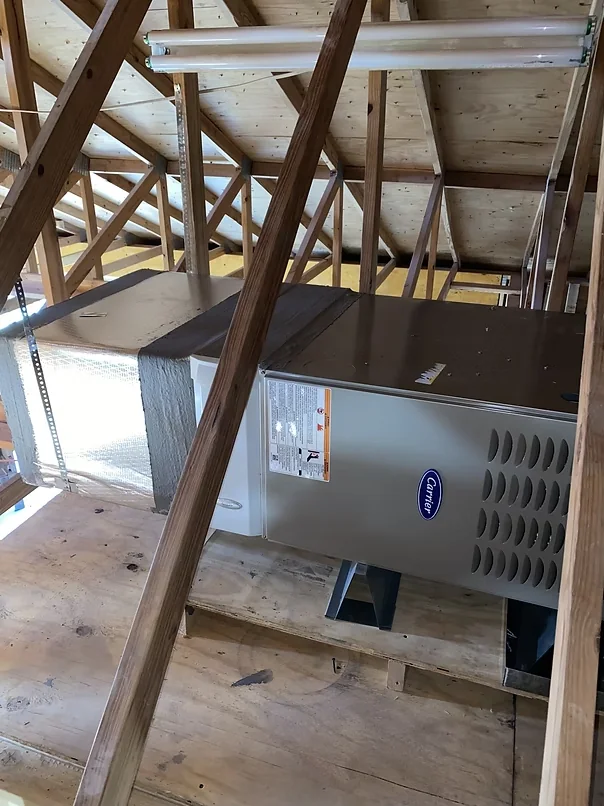
Start by confirming what “system” means.
A central HVAC price may describe an outdoor unit only, an AC and indoor coil, or a complete outdoor unit, coil, and furnace or air handler. Those are not equivalent projects. The first page of a proposal should make the equipment and quantity unmistakable.
The same equipment can also produce different installed prices because one proposal includes permits, electrical corrections, transitions, drainage, line-set preparation, and commissioning while another excludes them.
Matched equipment
The proposal should identify whether the price is for one component or a complete matched system.
- Outdoor condenser or heat-pump model and capacity
- Indoor evaporator coil model and metering device
- Furnace or air-handler model, capacity, and blower type
- AHRI matched-system reference when efficiency or rebate eligibility matters
- Thermostat or communicating system control
- Heat kit, gas heat, or backup heat configuration
Removal, refrigerant & line set
Old equipment and refrigerant require proper handling, and the refrigerant piping needs an explicit plan.
- Existing-equipment removal and disposal
- Refrigerant recovery by qualified personnel
- Line-set size and compatibility evaluation
- Line-set replacement or approved cleaning and preparation
- New insulation, line protection, and exterior sealing
- Final evacuation, leak testing, and charging verification
Electrical, gas & safety work
A complete comparison separates standard replacement connections from corrections required by the selected equipment or existing conditions.
- Outdoor disconnect and electrical whip
- Breaker, feeder, wire-size, and overcurrent protection evaluation
- Indoor power, transformer, low-voltage, and control wiring
- Gas shutoff, connector, pressure, and leak-check scope when applicable
- Combustion air, flue, venting, and safety control evaluation
- Smoke or carbon-monoxide safety recommendations when applicable
Airflow, drainage & equipment transitions
New equipment cannot perform as intended when return air, supply transitions, drainage, or blower setup are ignored.
- Return-air and filter-rack connection
- Supply plenum and equipment transition work
- Accessible duct-condition and restriction review
- Primary condensate drain connection and cleanout
- Secondary drain, auxiliary pan, and float protection
- Equipment pad, stand, hanging kit, or platform work
Permit, startup & commissioning
Installation is not finished when the equipment turns on. The quote should cover the required approval and performance checks.
- Permit and inspection coordination when required
- Equipment startup following manufacturer procedures
- Blower speed and airflow setup
- Temperature and operating-condition checks
- Static-pressure measurement when part of the selected scope
- Heating, cooling, drainage, thermostat, and safety operation verification
Documentation, warranties & handoff
The final price should be connected to written responsibilities after installation—not just an equipment brochure.
- Equipment models, quantities, efficiency, and total price
- Included work, additional options, exclusions, and assumptions
- Manufacturer registration responsibility and deadline
- Manufacturer parts-warranty terms
- Contractor labor or workmanship-warranty terms
- Homeowner controls, filter, maintenance, and system orientation
Items that may be separate—and should never be hidden.
Some homes need work beyond an ordinary equipment replacement. That does not make the quote unfair; it makes written scope important. The proposal should identify whether these items are included, additional, not required, or pending further access:
- Whole-home duct replacement or major return-air correction
- Electrical panel, feeder, breaker, or code correction
- Major platform, plenum, structural, or access reconstruction
- New refrigerant routing through walls, ceilings, or underground paths
- Gas piping, venting, combustion-air, or flue correction
- Crane, rooftop, asbestos, mold, roofing, drywall, or finish work
- Zoning, filtration, dehumidification, UV, or other accessories
Questions to ask before signing.
- Is this a complete matched system or only part of the system?
- Which model numbers and efficiency ratings are included?
- How was the required capacity evaluated?
- What happens to the existing line set, drains, pad, and thermostat?
- Are permit and inspection costs included when required?
- What airflow and startup measurements will be performed?
- Which parts and labor warranties apply, and who registers them?
- Which conditions could change the price after equipment removal?
Compare scope before comparing price.
A lower proposal may be the right choice when the equipment and scope are genuinely equivalent. It is not automatically the better value when required work is missing, marked “by others,” or left undefined.
Air Valentine’s replacement process is built to put the equipment, installation items, additional work, exclusions, and total in writing before you approve the project.